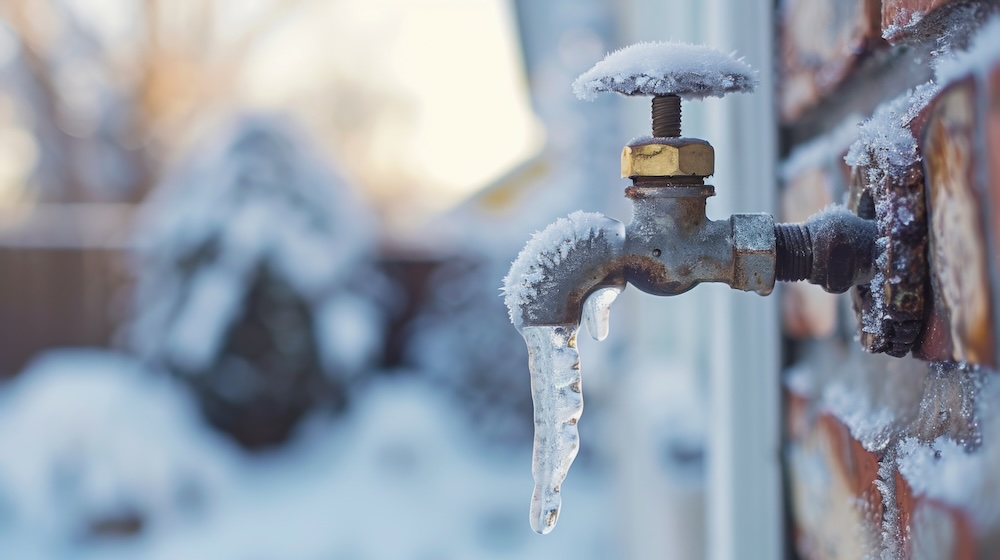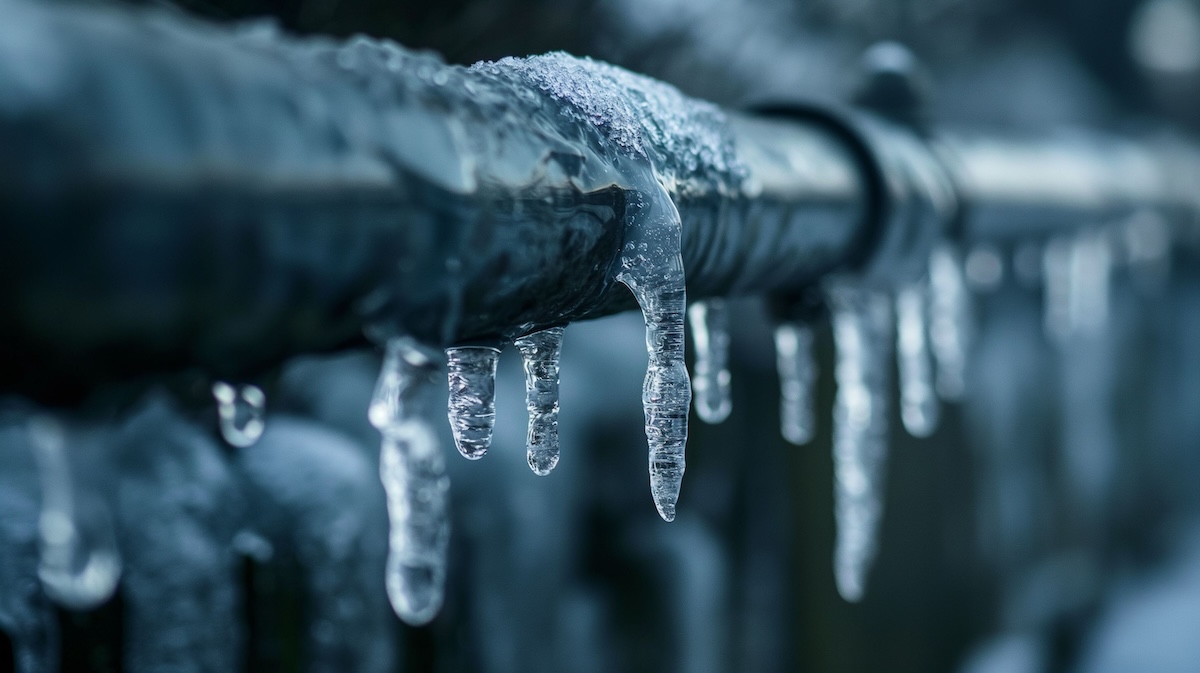
Few winter problems escalate faster (or cost more) than frozen pipes. In Wisconsin, prolonged cold snaps and sub-zero temperatures make frozen pipe damage one of the most common winter insurance claims homeowners face.
The good news? Many frozen pipe losses are preventable, and quick action can significantly reduce damage if a pipe does freeze.
When temperatures drop below freezing, water inside pipes can expand, creating pressure that causes pipes to crack or burst. This often happens in:
Once a pipe bursts, water can spread quickly—damaging floors, walls, insulation, and personal belongings.
Preparation is the most effective defense. Before even colder weather sets in, take these preventative steps:
These simple actions can dramatically reduce the risk of frozen pipes and costly water damage.
If you suspect a pipe is frozen but hasn’t burst yet:
If you’re unable to thaw the pipe safely, contact a licensed plumber right away.
Once a pipe bursts, time is critical. Take these steps immediately:
Quick action can help reduce the severity of damage and streamline the claims process.
Most homeowners policies cover damage caused by sudden pipe bursts—but coverage details can vary. It’s important to understand:
A quick policy review before winter can clarify expectations and help avoid denied claims.
Frozen pipes are one of Wisconsin winter’s most expensive and stressful surprises—but they don’t have to be. With the right preparation, quick response, and proper coverage, you can protect your home and your finances when temperatures drop.
If you’re unsure whether your home is adequately protected or want help reviewing your coverage, your local insurance agent can help you prepare before the next cold snap hits.


.png)