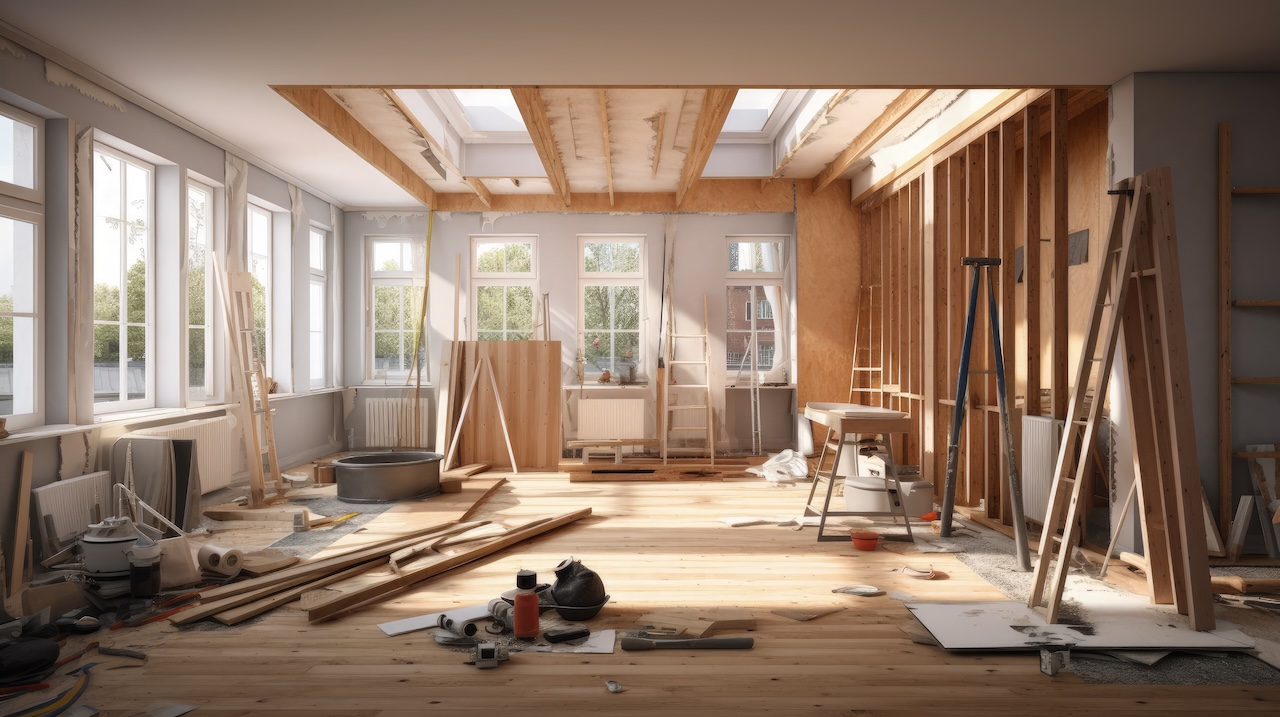
If you added a deck, remodeled a kitchen, or put in a pool this year, there's a good chance it changed something about your homeowners insurance — even if nobody told you that when you started the project. Most home renovations affect your homeowners insurance because they change either your home's value, your liability risk, or both. The size of that change depends on the project, but skipping the review step is one of the easiest ways to end up underinsured.
Here's what typically changes, project by project, and when it's worth picking up the phone.
In most cases, yes. Homeowners insurance is built around your home's replacement cost — what it would actually cost to rebuild it today. According to Travelers Insurance, most policies require dwelling coverage equal to at least 80% of that replacement value for a claim to pay out in full. Add square footage, upgrade major systems, or install something like a pool, and that replacement value can move enough that your old policy limits no longer match reality.
The renovations below are the ones most likely to need a second look from your insurance agent.
A new bedroom, a sunroom, or an expanded kitchen adds square footage and value to your home. If your dwelling coverage isn't adjusted to match, you could be significantly underinsured if you ever need to file a total loss claim.
Even remodels that don't add space are worth mentioning to your agent. Updated plumbing, electrical wiring, or a new roof can sometimes qualify you for a discount, since they lower the risk of fire and water damage. It's a quick question that can pay off.
A new deck adds value to your home, and one attached to an upper level adds a bit of risk along with it. The same goes for pergolas, outdoor kitchens, and other structural additions. Report these to your agent so your coverage — and your other structures limit, more on that below — actually reflects what's on your property.
A new pool changes your risk profile more than almost any other summer project. It raises your property value, but it also introduces liability exposure that a standard policy may not fully cover on its own. Before the first swim of the season, confirm two things with your agent: that pool-related incidents are covered, and that your liability limits are high enough to match the added risk.
Pools, trampolines, and similar backyard features fall into a legal category called an "attractive nuisance" — something enticing enough that a child might come onto your property to use it, even without permission. Depending on your state's laws, that can mean you carry liability for an injury even if the person wasn't invited. A few things help reduce that exposure:
Turning an unfinished basement into a family room, office, or extra bedroom adds real value to your home and often calls for higher dwelling coverage. It's also a good time to check what your policy excludes. Standard homeowners insurance typically does not cover flood damage, so if your new basement space includes finishes, furniture, or equipment worth protecting, ask your agent about a separate flood policy.
New sheds, detached garages, and workshops usually fall under a policy's "other structures" coverage — but that coverage has its own limit, often a set percentage of your dwelling coverage. If you built something larger than your policy anticipated, or filled it with tools and equipment worth insuring, confirm that limit is high enough to actually cover a total loss.
As a general rule, contact your agent any time a project changes your home's square footage, adds a structure, or introduces new liability risk — before the project wraps up, if possible. A quick call takes a few minutes and gives your agent time to adjust dwelling limits, liability coverage, or other structures coverage before you actually need to rely on them.
Do I have to tell my insurance company about a renovation?
You're not always legally required to, but it's strongly recommended. If your renovation increases your home's value or adds risk and you don't report it, you could be underinsured at claim time — meaning your payout might not cover the full cost of rebuilding or replacing what was damaged.
Will my premium go up after a renovation?
It depends on the project. Additions, pools, and finished basements often increase premiums because they raise your home's value or liability exposure. Some upgrades, like new wiring, plumbing, or a storm-resistant roof, can actually lower your premium through safety discounts.
What happens if I don't update my policy after a remodel?
Your policy will still be active, but your coverage may not match your home's current value. If you file a claim after a major renovation and your dwelling limit wasn't updated, you could be paid less than what it actually costs to repair or rebuild.
Your insurance policy is based on the home you had when you bought your coverage, not necessarily the home you have now. If you renovated, added on, or built something new this year, a quick policy review is the last step of the project — not an optional one. At American Advantage Lindow Insurance, we're happy to walk through your recent updates and make sure your homeowners insurance keeps pace with your home. Reach out to review your policy whenever you're ready.


.png)