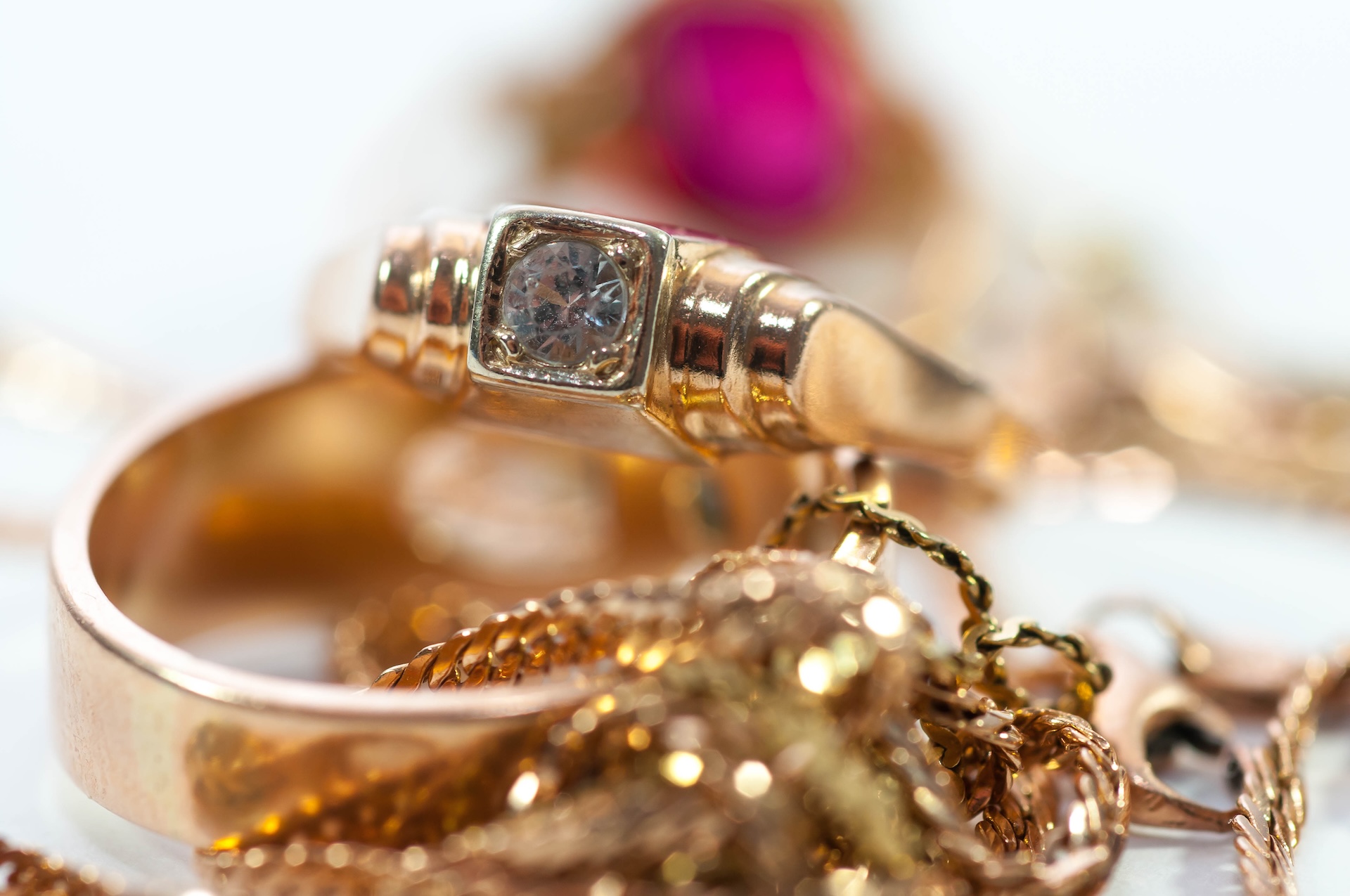
If you’ve followed the news recently, you may have noticed that gold and other precious metals are climbing sharply in value. While that’s good news for investors, it’s creating an unexpected issue for many homeowners: the jewelry they own may now be worth far more than the amount it’s insured for.
As precious metal prices rise, the cost to replace jewelry rises with them. And for many people, the last appraisal for an engagement ring, necklace, or heirloom piece may have happened years ago—long before today’s market conditions.
For homeowners, that can create a serious coverage gap.
Over the past year, prices for major jewelry metals have surged. Gold prices have climbed significantly, while platinum and silver have also seen major increases.
That means the intrinsic value of jewelry has changed dramatically in a short period of time. A piece insured five or even ten years ago may now cost substantially more to replace.
Unfortunately, insurance coverage doesn’t automatically adjust to market changes. If a piece is insured based on an outdated appraisal, the amount listed on the policy may no longer reflect what it would actually cost to replace today.
Most homeowners and renters insurance policies do include coverage for jewelry—but the built-in limits are often much lower than people expect.
Typical policies include jewelry coverage limits ranging from about $1,000 to $2,500 for theft or certain types of losses. For many engagement rings, watches, or inherited pieces, that amount may not come close to the current replacement value.
Standard policies may also exclude certain types of losses entirely, such as accidental loss or mysterious disappearance. For example, if a ring is lost while traveling or slips off during a swim, a basic homeowners policy may not cover it.
Because of these limitations, many people discover coverage gaps only after a claim occurs.
For higher-value items, one of the most effective ways to close that gap is through scheduled jewelry coverage.
This type of coverage involves listing individual items on your policy, supported by a professional appraisal and documentation. Scheduling a piece typically allows you to insure it for its full replacement value and may provide broader protection than standard homeowners coverage.
Another option is a valuable articles policy, which is designed specifically for items like jewelry, watches, and collectibles. These policies often provide more flexible coverage and can be updated as market values change.
In many cases, specialized jewelry coverage costs between 1% and 3% of the insured value annually, making it a relatively affordable way to protect items that may hold significant financial or sentimental value.
If you own valuable jewelry, a quick coverage review can help ensure your policy reflects current values. Consider taking these steps:
Keeping documentation current helps ensure a smoother claims process if a loss ever occurs.
Insurance policies rely on accurate replacement values, not just the metal content of a piece. With gold, platinum, and silver prices rising rapidly, older appraisals may no longer reflect what it would cost to replace the same item today.
That’s why periodic reappraisals—typically every few years—can be an important part of protecting valuable items. When market conditions shift quickly, updated valuations help ensure coverage keeps pace.
Rising precious metal prices aren’t just a financial headline—they’re also a reminder to review how valuable jewelry is insured. Many homeowners assume their policies fully cover these items, only to discover that limits or outdated appraisals leave them underinsured.
A quick policy review can help ensure your jewelry is protected for what it would truly cost to replace today.
If you’re unsure whether your current policy provides adequate protection—or if it’s been several years since your jewelry was appraised—your insurance agent can help review your coverage and discuss the best options for safeguarding your valuables.


.png)