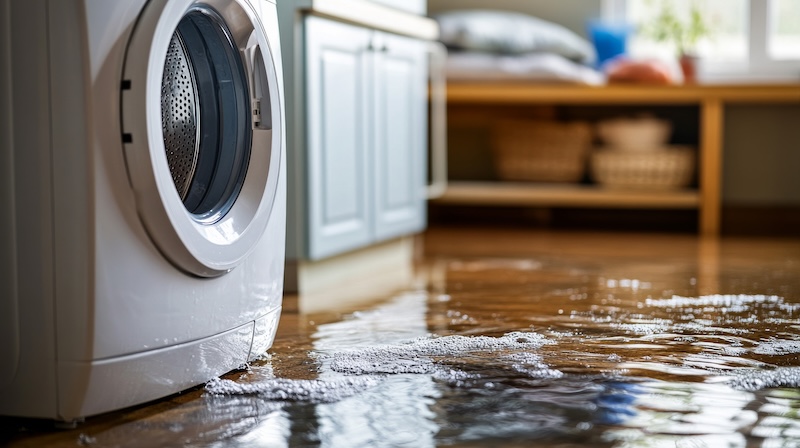
A slow leak behind your washing machine or a cracked water heater doesn't wait for you to be home. Smart water leak detectors are designed to catch exactly that kind of problem — sounding an alert on your phone the moment something's wrong, whether you're upstairs asleep or three states away on vacation. For a relatively small upfront cost, they can be one of the most effective ways to prevent one of the most common and expensive homeowners insurance claims there is.
Companies like Moen have built a strong reputation in this space with their Flo smart water monitoring system, and other manufacturers such as Flume, Phyn, Kangaroo, and Resideo offer similar technology. The point isn't which logo is on the device — it's understanding what this category of home tech does and whether it makes sense for your house.
Water damage and freezing is the second-most common type of homeowners insurance claim, trailing only wind and hail, according to data compiled by iPropertyManagement. The average private homeowners insurance claim for water damage runs close to $14,000, and that number climbs fast the longer a leak goes unnoticed.
That last part matters more than people realize. A leak caught within hours might mean a wet spot on the carpet. Left for days, it can mean warped flooring, visible mold, and repairs that go well beyond what a quick towel and a fan can fix. The same research found that the average household leaks nearly 10,000 gallons of water a year — often in small, easy-to-miss ways, like a slowly failing supply line or a toilet that runs longer than it should.
Here's the detail that should give every homeowner pause: insurers can deny a claim if the damage is found to be the result of a problem that existed for a long time and went unaddressed. In other words, the leak you didn't know about because you weren't home is exactly the kind of damage a standard policy may not fully cover.
"Smart water leak detector" covers a few different types of devices, and it's worth knowing the difference before you shop.
These are small, battery-powered sensors placed on the floor near a water heater, washing machine, dishwasher, or under a sink. If they detect moisture, they send an alert to your phone through a WiFi or hub connection. They're inexpensive and easy to install yourself, but they only protect the specific spot where they're placed.
These install at your main water line and track water usage patterns over time. Once they learn what "normal" looks like for your household, they can flag unusual flow — like water running continuously overnight — and alert you even if the leak isn't near a sensor. This is the category Moen's Flo system and similar whole-home products fall into.
Some whole-home systems go a step further and physically shut off your water supply when they detect a leak or a burst pipe, without waiting for you to respond to an alert. This is the feature that does the most to limit damage when nobody's home to act on a notification.
A leak that happens while you're standing in the kitchen gets noticed and handled in minutes. A leak that starts the day you leave for a week-long trip can run unchecked the entire time you're gone. That's the scenario these systems are built for: a phone alert wakes you up to a small problem, or an automatic shut-off stops it before you even know it happened.
This is especially worth considering for:
In many cases, yes. A number of insurance carriers offer discounts for homes equipped with leak detection or automatic shut-off technology, since these devices reduce the likelihood and severity of a claim. Reported discounts vary by carrier and location, but as a general range: some insurers offer a few percentage points off for a basic leak sensor setup, while whole-home monitoring or automatic shut-off systems can qualify for more substantial savings.
A few things to know before you buy:
Before you invest in a system, it's worth a quick call to confirm three things: whether your policy offers a discount for the specific type of device you're considering, whether that discount requires ongoing data sharing, and whether the device needs to be professionally installed to qualify. Getting these answers first can save you from buying a system that doesn't end up affecting your premium at all.
The right setup depends on your home, your budget, and how much protection you're looking for.
Do all homeowners insurance companies offer discounts for leak detectors?
No. Discount availability and amounts vary by insurer and by state. It's worth asking your agent directly which devices qualify under your specific policy.
Can a smart water leak detector prevent every water damage claim?
No. These devices are designed to catch leaks early and limit damage, but they can't prevent every type of water-related loss, such as damage from an external flood source. They're a risk-reduction tool, not a replacement for insurance coverage.
Do I need a plumber to install an automatic shut-off valve?
Often, yes. Because these valves connect directly to your main water line, professional installation is common, though some newer models are designed for easier DIY installation. Check the manufacturer's requirements before you buy.
Water damage doesn't wait for a convenient time, and it's often the leaks that happen while you're away that turn into the most expensive claims. A smart water leak detector — whatever brand you choose — is one of the more practical home tech investments you can make, both for peace of mind and for your wallet. At American Advantage Lindow Insurance, we're happy to talk through your homeowners policy and let you know whether adding this kind of technology could also help lower your premium.